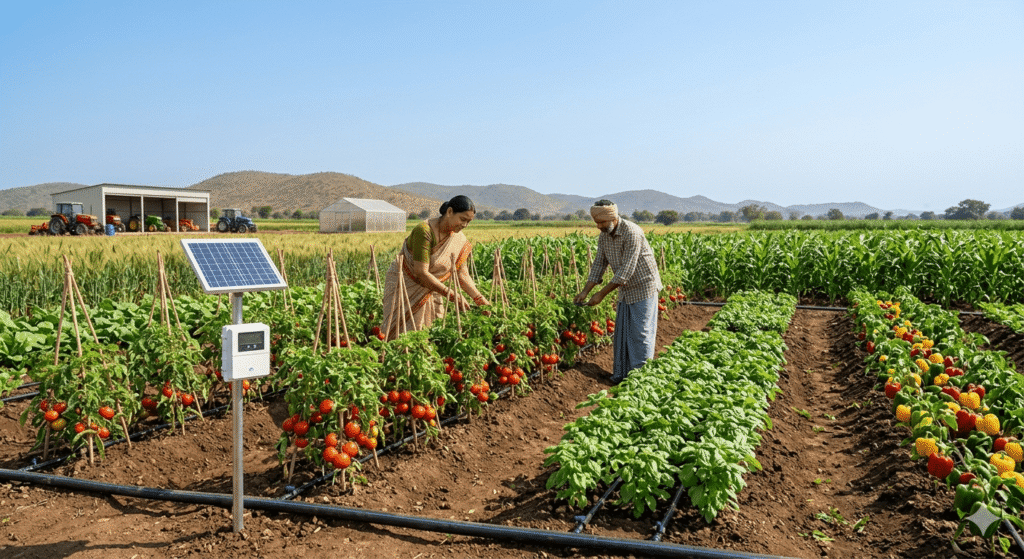
Increasing crop production is the main goal of every farmer. If you are searching for how to improve yield step-by-step, this detailed guide will help you understand the best farming practices to achieve higher productivity and better profits. By following the right methods, farmers can improve soil fertility, reduce crop loss, and maximize harvest quality.
In this article, we will explain how to improve yield step-by-step using practical and effective agricultural techniques.
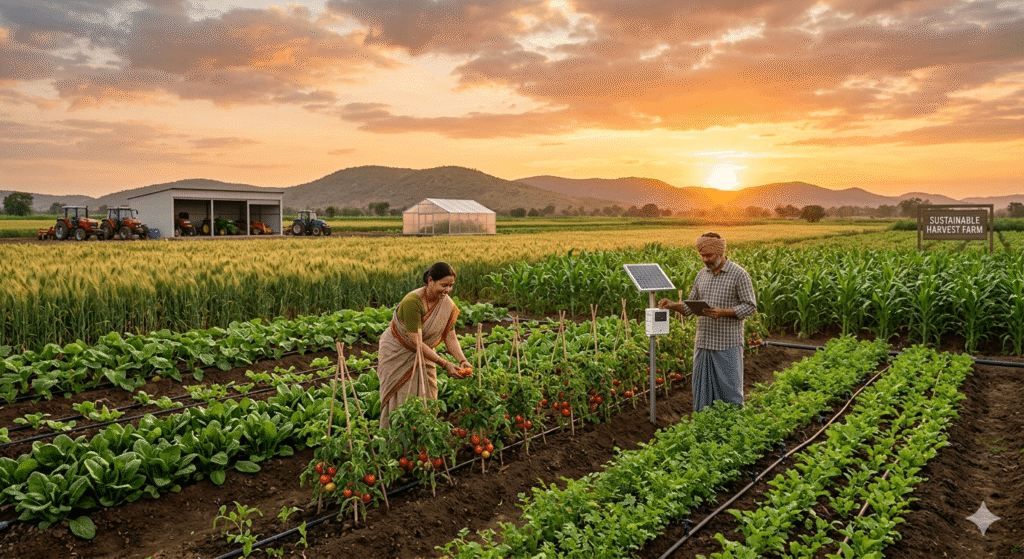
1. Test Your Soil Before Planting
The first step in understanding how to improve yield step-by-step is soil testing. Healthy soil is the foundation of successful farming.
- Identifies nutrient deficiencies
- Helps balance soil pH
- Reduces unnecessary fertilizer use
- Improves crop growth
Farmers should test their soil at least once every season to know which nutrients are required for better crop production.
Table of Contents
2. Choose High-Quality Seeds
Another important factor in how to improve yield step-by-step is selecting certified, high-quality, and disease-resistant seeds. Seeds are the foundation of successful farming because the overall performance of the crop depends heavily on seed quality. Even if farmers use good fertilizers and irrigation methods, poor-quality seeds can reduce production and affect crop health.
Using improved seed varieties is one of the easiest and most effective ways to increase farm productivity. Farmers who want to understand how to improve yield step-by-step should always invest in trusted and certified seeds from reliable agricultural suppliers. High-quality seeds are specially developed to provide better growth, stronger resistance against diseases, and improved adaptability to changing weather conditions.
Good seeds help crops grow evenly and produce healthier plants. They also reduce the chances of crop failure, which ultimately increases farmers’ profits. Choosing the right seeds according to soil type, climate, and season is extremely important for achieving higher yields.
Why Good Seeds Matter
Better Germination Rate
High-quality seeds have a higher germination rate, which means more seeds successfully grow into healthy plants. This helps farmers achieve proper plant population in the field and reduces the need for replanting.
Stronger Plants
Certified seeds produce stronger and healthier plants with better root development. Strong plants can absorb nutrients and water more efficiently, leading to faster growth and better crop performance.
Higher Resistance to Pests and Diseases
Disease-resistant seed varieties protect crops from common infections and pest attacks. This reduces crop damage and lowers the need for excessive pesticide use, saving both time and money.
Increased Productivity
One of the biggest advantages of quality seeds is increased productivity. Farmers using improved seed varieties often experience better crop quality, larger harvests, and higher market value for their produce.
Better Adaptation to Climate Conditions
Modern seed varieties are designed to survive in different environmental conditions such as drought, excessive rainfall, or extreme temperatures. This helps farmers maintain stable production even during difficult weather conditions.
Improved Crop Quality
Good seeds produce crops with better size, color, taste, and nutritional value. High-quality produce attracts better prices in the market and improves overall farm income.
By choosing the right seeds, farmers can take a major step toward understanding how to improve yield step-by-step and achieving long-term farming success.
3. Use Proper Irrigation Techniques
Water management plays a major role in how to improve yield step-by-step. Too much or too little water can damage crops.
Best Irrigation Methods
- Drip irrigation
- Sprinkler irrigation
- Rainwater harvesting
- Scheduled watering
Efficient irrigation saves water and improves plant growth significantly.
4. Apply Balanced Fertilizers
Balanced nutrition is one of the most important factors in how to improve yield step-by-step. Crops require the right combination of nutrients to grow properly, produce healthy grains or fruits, and achieve maximum productivity. Without proper fertilization, plants become weak, growth slows down, and crop quality decreases significantly.
Farmers who want to understand how to improve yield step-by-step should focus on supplying crops with essential nutrients such as nitrogen (N), phosphorus (P), potassium (K), and important micronutrients like zinc, sulfur, magnesium, and iron. Each nutrient plays a unique role in plant development and overall crop health.
Using fertilizers in the correct quantity and at the right time helps improve soil fertility, increase plant strength, and boost production. However, excessive or unbalanced fertilizer use can damage crops and reduce soil quality over time. Proper fertilizer management is necessary for sustainable and profitable farming.
Important Nutrients for Crops
Nitrogen (N)
- Promotes healthy leaf and stem growth
- Improves green color in plants
- Helps increase overall plant development
Phosphorus (P)
- Supports strong root growth
- Improves flowering and seed formation
- Helps crops mature faster
Potassium (K)
- Enhances disease resistance
- Improves water absorption
- Increases crop quality and strength
Micronutrients
- Essential for balanced crop growth
- Improve plant metabolism
- Help prevent nutrient deficiency diseases
Fertilizer Tips
Use Organic Compost
Organic compost improves soil structure and increases natural fertility. It also helps retain moisture and supports beneficial microorganisms in the soil.
Apply Fertilizers According to Soil Test Results
Soil testing helps farmers understand nutrient deficiencies. Applying fertilizers based on soil analysis prevents nutrient imbalance and saves money.
Avoid Over-Fertilization
Using excessive fertilizers can damage crops, reduce soil health, and increase production costs. Balanced application is always better for long-term productivity.
Use Bio-Fertilizers When Possible
Bio-fertilizers are environmentally friendly and improve soil fertility naturally. They also reduce dependency on chemical fertilizers.
Apply Fertilizers at the Right Time
Timing is very important in fertilizer management. Applying nutrients during critical crop growth stages improves nutrient absorption and crop performance.
Split Fertilizer Application
Instead of applying all fertilizers at once, farmers should divide applications into multiple stages. This improves nutrient efficiency and reduces wastage.
Ensure Proper Irrigation After Fertilization
Water helps nutrients move into the root zone where plants can absorb them effectively. Proper irrigation increases fertilizer efficiency.
Benefits of Balanced Fertilization
- Improves crop growth and development
- Increases resistance against diseases
- Enhances grain and fruit quality
- Improves soil fertility over time
- Boosts overall crop production
- Increases farmer profitability
Proper fertilizer management is a key strategy in how to improve yield step-by-step because healthy crops always produce better harvests and higher income.
5. Control Pests and Diseases Early
Pests and diseases are major threats to agriculture and can reduce crop production very quickly. An effective pest management strategy is essential in how to improve yield step-by-step because healthy crops are more productive and profitable.
If pest attacks are ignored, they can spread rapidly across the field and damage leaves, roots, stems, flowers, and fruits. Diseases can also weaken plants and reduce crop quality. Early detection and prevention are the best ways to protect crops and maintain high productivity.
Farmers should regularly inspect their fields and take preventive action before problems become severe. Smart pest management not only protects crops but also reduces financial losses and improves overall farm efficiency.
Common Causes of Pest and Disease Problems
Poor Field Hygiene
Unclean fields create favorable conditions for insects, fungi, and harmful bacteria.
Excess Moisture
Overwatering and waterlogging encourage fungal diseases and root infections.
Monocropping
Growing the same crop repeatedly can increase pest populations and soil-borne diseases.
Weak Plants
Nutrient-deficient plants are more vulnerable to pests and infections.
Pest Control Methods
Use Natural Pesticides
Natural pesticides made from neem, garlic, or plant extracts are safer for crops and the environment.
Monitor Crops Regularly
Frequent field inspections help farmers identify early signs of pest attacks and diseases before they spread.
Remove Infected Plants
Removing damaged or infected plants prevents diseases from spreading to healthy crops.
Practice Crop Rotation
Changing crops each season disrupts pest life cycles and improves soil health naturally.
Encourage Beneficial Insects
Insects like ladybugs and bees help control harmful pests and support pollination.
Maintain Proper Field Cleanliness
Removing weeds, crop residues, and infected materials reduces pest breeding areas.
Use Resistant Crop Varieties
Disease-resistant seeds reduce the chances of infection and improve crop survival.
Apply Pesticides Carefully
Use recommended pesticides only when necessary and follow proper dosage instructions to avoid crop damage.
Benefits of Early Pest and Disease Control
- Reduces crop damage and losses
- Improves plant health and growth
- Increases overall crop productivity
- Enhances crop quality and market value
- Reduces unnecessary pesticide expenses
- Supports sustainable farming practices
Early prevention and proper pest management are essential steps in how to improve yield step-by-step because healthy crops lead to stronger harvests and better profits for farmers.
6. Practice Crop Rotation
Crop rotation is another proven method for how to improve yield step-by-step. Growing different crops each season improves soil fertility and reduces pest problems.
Advantages of Crop Rotation
- Improves soil nutrients
- Reduces weed growth
- Prevents soil erosion
- Enhances long-term productivity
Farmers who follow crop rotation often achieve better harvest results.
7. Manage Weeds Properly
Weeds compete with crops for water, nutrients, and sunlight. Proper weed control is necessary in how to improve yield step-by-step.
Weed Management Tips
- Use mulching
- Remove weeds regularly
- Use selective herbicides carefully
- Maintain proper crop spacing
Clean fields help crops grow faster and healthier.
8. Monitor Weather Conditions
Understanding weather patterns is very important for how to improve yield step-by-step. Extreme temperatures and unexpected rainfall can affect crop growth.
Smart Weather Practices
- Check weather forecasts daily
- Protect crops during heavy rain
- Use shade nets during extreme heat
- Plan planting according to seasons
Weather-based farming decisions help reduce losses and improve production.
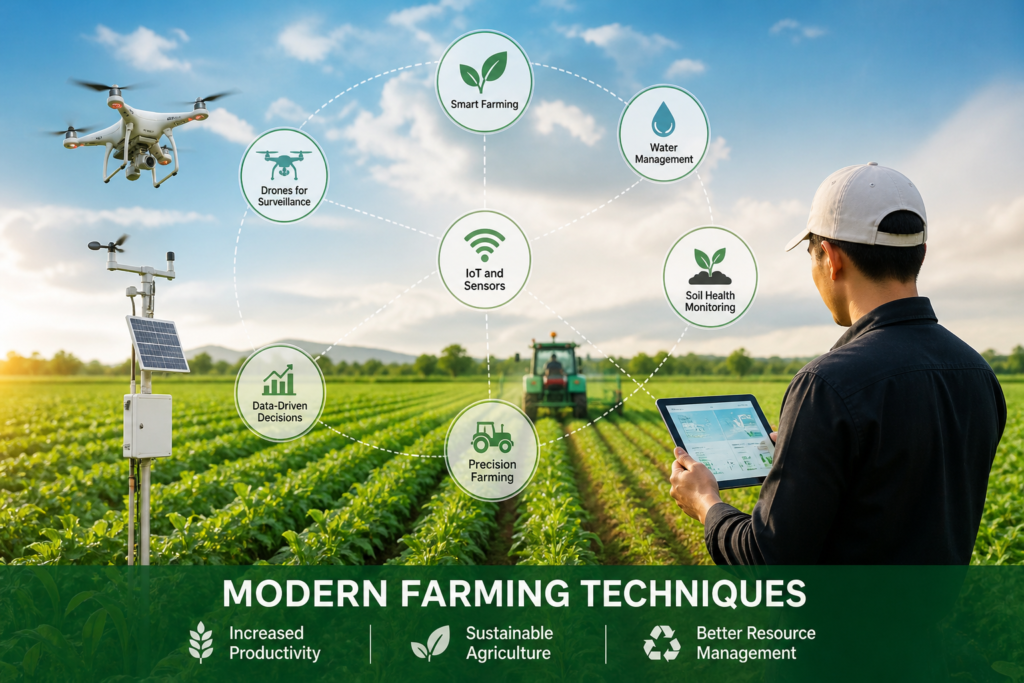
9. Adopt Modern Farming Technology
Technology has transformed agriculture. Farmers looking for how to improve yield step-by-step should consider modern farming tools.
Useful Technologies
- Smart irrigation systems
- Agricultural mobile apps
- Drone monitoring
- Soil moisture sensors
Modern equipment increases efficiency and helps farmers make better decisions.
10. Harvest at the Right Time
Harvest timing directly affects crop quality and market value. A final step in how to improve yield step-by-step is proper harvesting management.
Harvesting Tips
- Avoid early harvesting
- Use proper storage methods
- Protect crops from moisture
- Handle produce carefully
Correct harvesting methods reduce waste and improve profits.
Final Thoughts
Now you understand how to improve yield step-by-step using practical farming techniques. From soil testing and seed selection to irrigation and pest control, every step plays an important role in increasing crop production.
Farmers who consistently follow these methods can achieve better harvest quality, improved soil health, and higher profits. If you want long-term agricultural success, start applying these strategies today and see the difference in your farm productivity.